
Strike, throw, hold
Strike beats throw, throw beats hold, hold beats strike. The catch is timing: a hold read wrong is a high-counter punish, which is the most expensive mistake in the game.
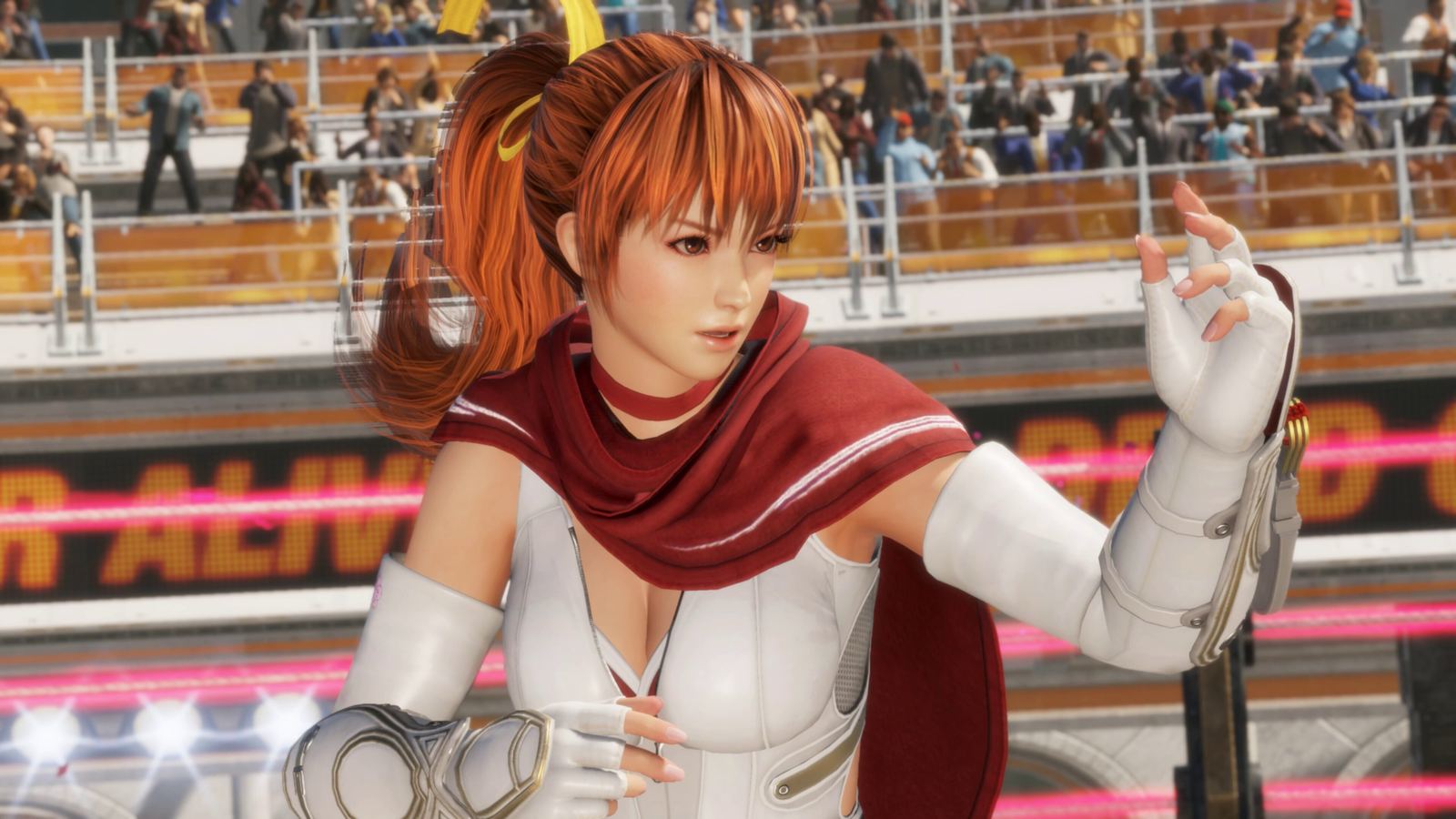
Every exchange in Dead or Alive 6 Last Round is a bet on one of three options, and the game is explicit about it: Holds are described by KOEI TECMO as the tool you use "at the perfect moment" to cripple an opponent. The catch is that "perfect moment" is a read, not a reaction, and a wrong hold is the most expensive mistake in the game.
Three options and what each beats
| Option | Beats | Loses to | What it costs when wrong |
|---|---|---|---|
| Strike | Throw | Hold | A read hold turns your attack into their damage |
| Throw | Hold | Strike | A whiffed throw leaves you standing still in range |
| Hold | Strike | Throw | A wrong hold commits you to an animation you cannot cancel |
The payouts are not equal. A correct hold converts an incoming strike into a counter hit, which is why experienced players will hold a predictable attack all day. A correct throw on a holding opponent is a positional win more than a damage win. That asymmetry explains why beginners who spam holds lose faster than beginners who never hold at all.
Why the hold is the expensive option
Hold the wrong height and you are locked into a long animation. Your opponent's next attack lands as a counter hit, worth more than the attack would have been on its own. The defensive option with the biggest reward also carries the biggest risk, and that is the whole design.
So the first rule of low-rank play is not "hold more". This is "hold later, and only when the pattern is obvious".
Height matters as much as timing
A hold is directional. You are not guessing "strike or throw"; you are guessing high, mid or low on top of that. A player who holds every mid is telling you something within two rounds, and the answer is a low attack or a throw, not a different mid.
| What you see | What it usually means | What to do |
|---|---|---|
| They hold after every blocked string | They are reading your follow-up, not reacting to it | Delay one beat, then strike |
| They never hold | They are afraid of the counter hit | Throw more, then punish the mash |
| They hold only when cornered | Panic habit | Walk in, block, punish the whiffed hold |
| They throw on your wake-up | They expect you to hold | Strike on wake-up instead |
Four habits that lose rounds
- Holding on autopilot after blocking. Blocking a string does not mean the next attack is coming. Wait one beat and watch what they do.
- Throwing when you are scared. A whiffed throw is a free counter hit for the opponent. Throw when they are blocking, not when you are panicking.
- Attacking on wake-up every time. Wake-up is where beginners are most predictable. Stand up, block, and take the throw if it comes.
- Changing your answer after one loss. The triangle only teaches you something if you repeat the same answer long enough to see the pattern.
Ten-minute triangle drill
- Training mode, dummy set to stand. Land a three-hit string twenty times. You are checking that the string is automatic.
- Set the dummy to hold after the first hit. The string now fails. That failure is the lesson.
- Swap the third hit for a throw. Count how many connect. Ten is a pass.
- Set the dummy to attack on wake-up. Block, then punish with your fastest strike until the punish looks the same every time.
- Set the dummy to random behaviour and play one minute. So if you cannot explain why you lost an exchange, the drill is not finished.
Where the triangle meets the rest of the game
A correct hold is worth more when the Break Gauge is full, because the punish after a read can become a round-ending sequence. That conversion is the first genuinely advanced skill in Last Round, and it is easier once the triangle is automatic.
Also if you are still choosing a character, the beginner shortlist judges the free four by what they teach. And if you have not installed the game, the Core Fighters page explains what the free edition includes. Both are prerequisites for the drill above, not optional reading.
Playing the triangle against a person
Training answers one question at a time. A human asks several at once, which is why the first online session feels nothing like the drill.
- Open with a strike you can recover from. A fast poke that returns to neutral tells you whether they block, hold or throw without costing you the round.
- Throw the second time they block. Most beginners block twice before they contest. The throw is the reward for noticing.
- Stop holding after the first success. A hold that works once is a pattern the opponent will punish on the next exchange.
- Watch the health bar, not the animation. Long strings look impressive and deal less than one correct punish.
The goal in week one is not to win the triangle every time. This is to notice which option the opponent is defaulting to, and to answer it once per round.
Higher-level changes
Better players hold later, throw less and punish more. They also hold different heights on purpose, which turns your safest string into a gamble. The counter is boring: shorten your offence, end strings early, and take the throw when it comes. A player who cannot be counter-held consistently has to be beaten another way, and most opponents at low rank do not have another way.