
Thirty years, seven games
Dead or Alive 1996, DOA2 1999, DOA3 2001, DOA4 2005, DOA5 2012, DOA6 2019, DOA6 Last Round 2026. Eleven million copies sold and nearly 24 million free-to-play downloads across the series.
Dead or Alive has been running for thirty years with only seven mainline entries, which is why the series feels both familiar and sparse. The gaps are part of the identity: each release arrives after a long silence and then defines the competitive scene until the next one.
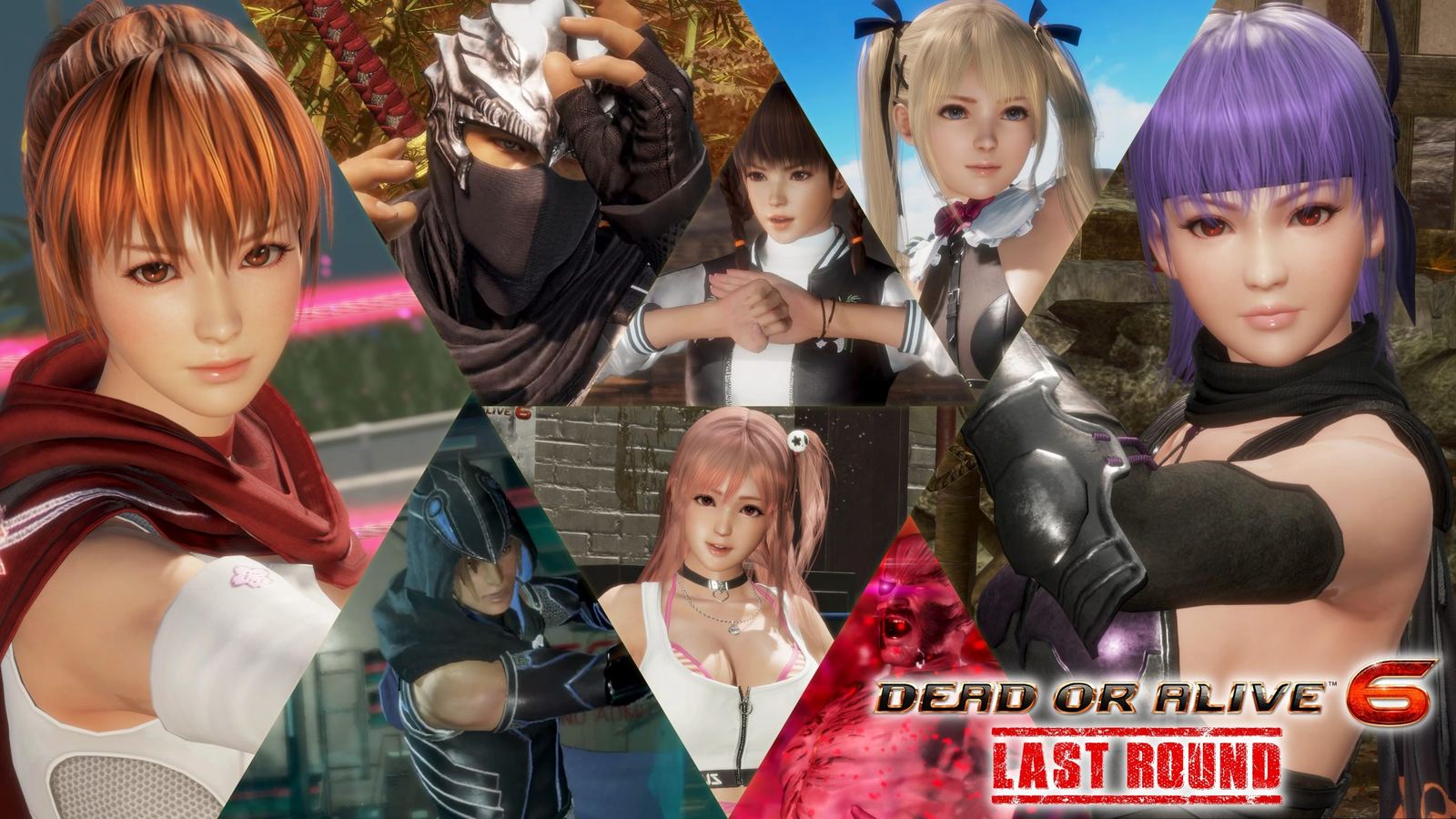
Seven entries
| Year | Game | Launch platforms | One-line identity | |
|---|---|---|---|---|
| 1996 | Dead or Alive | Arcade, SEGA Saturn | The original triangle fighter, built on counters | |
| 1999 | Dead or Alive 2 | Arcade, Dreamcast, PS2 | The 3D leap and the arena hazards | |
| 2001 | Dead or Alive 3 | Xbox | The first Xbox flagship for the series | |
| 2005 | Dead or Alive 4 | Xbox 360 | Online competition and the series' competitive peak | |
| 2012 | Dead or Alive 5 | PS3, Xbox 360 | The free-to-play experiment begins | |
| 2019 | Dead or Alive 6 | PS4, Xbox One, PC | The Break Gauge era | |
| 2026 | Dead or Alive 6 Last Round | PS5, Xbox Series X | S, PC | Current-gen re-release with a free anniversary update |
The platform column reflects launch platforms, not every later port. The series has appeared on more systems than the table lists.
Numbers behind the anniversary
KOEI TECMO's 30th anniversary release gives two figures: more than 11 million units sold across the series, and nearly 24 million downloads of the free-to-play version.
| Metric | Figure | What it says |
|---|---|---|
| Series units sold | More than 11 million | A mid-sized fighting franchise with a long tail |
| Free-to-play downloads | Nearly 24 million | The free entry point is the real audience |
| Years since debut | 30 | The anniversary is the marketing event |
| Mainline entries | Seven | Roughly one every four years |
The download number explains why Core Fighters exists and why Last Round launched with a free edition on day one. The paid roster is not the funnel; the free download is.
Timeline for newcomers
A thirty-year series is intimidating. The practical answer is that you only need the current game.
- You do not need to play the older entries to understand Last Round. The story mode references them, but the fighting systems are self-contained.
- The older games are not a training ladder. Each entry changes the system enough that skills transfer partially, not completely.
- The anniversary content lives in the current game. The costumes, stage and music are in Last Round, not in a remaster of the 1996 original.
But if you want the story, the standard edition includes the story key. Now if you want the fighting, start with the beginner route.
World, briefly
The series is built around the World Combat Championship, run by the DOATEC corporation. The ninja clan, represented by Ryu Hayabusa, Hayate and Ayane, is the recurring counterweight to DOATEC's experiments. Kasumi's departure from the clan is the emotional spine of the early games.
You do not need that lore to play. You do need it to understand why the roster keeps returning to the same families, and why the anniversary costumes group the ninja characters together.
The glossary defines DOATEC and the other recurring terms. The DOA7 hub explains what the next project has actually confirmed, which is much less than the timeline might suggest.
Reading the gaps as a player
The long gaps between entries explain why each game feels like a reset. Team NINJA has time to rebuild systems, and the competitive community has time to exhaust the previous one.
| Gap | What happened in it |
|---|---|
| 1996 to 1999 | Arcade and Saturn audience, then the 3D console leap |
| 1999 to 2001 | Dreamcast to PS2 to Xbox transition |
| 2001 to 2005 | Xbox Live and the first online competitive scene |
| 2005 to 2012 | A seven-year silence, the longest in the series |
| 2012 to 2019 | Free-to-play experiments and the DOA6 reboot |
| 2019 to 2026 | The Last Round re-release and the anniversary |
The seven-year gap between DOA4 and DOA5 is the reason the free-to-play model matters so much to this series. When a game is absent for that long, the free entry point is how new players arrive.
Era identities
- 1996 to 2001: the counter era. The hold system defined the series and separated it from other 3D fighters.
- 2001 to 2005: the online era. Console online play turned a niche fighter into a competitive scene.
- 2012 to 2019: the content era. Costumes, free-to-play editions and guest characters expanded the audience.
- 2026: the consolidation era. Last Round collects the DOA6 roster and adds a current-gen release.
That framing is interpretive, not official. This is useful for understanding why the series looks the way it does.
Anniversary subject
The 30th anniversary marks the first game's launch on 26 November 1996. The free update is for Last Round, the current entry. The trailer is a history montage. The tournament is for the current game.
There is no remaster of the 1996 original in the anniversary package. Anyone expecting one is reading the montage as a product announcement.
A newcomer's shortcut
You do not need to play the back catalogue. Pick the current game, learn the triangle and play online. Now if you fall in love with the series, the older entries are history, not homework.
The where to start page turns that advice into three routes based on what you want from the series. The glossary covers the terms that recur across every entry.